Archived News
Catch up on Hydragon milestones, outreach & events

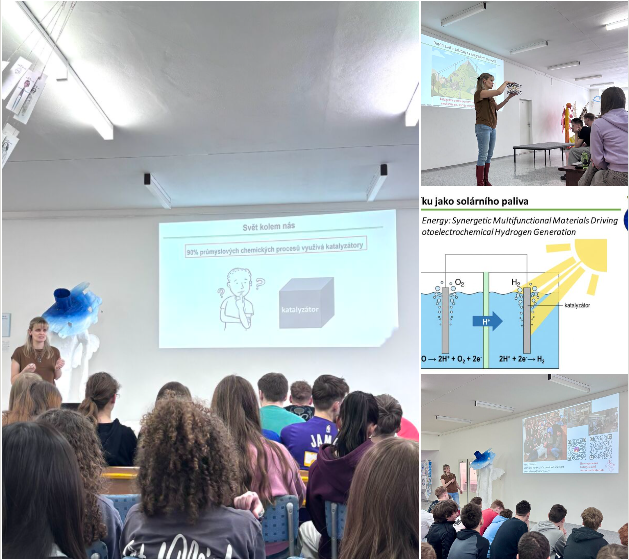
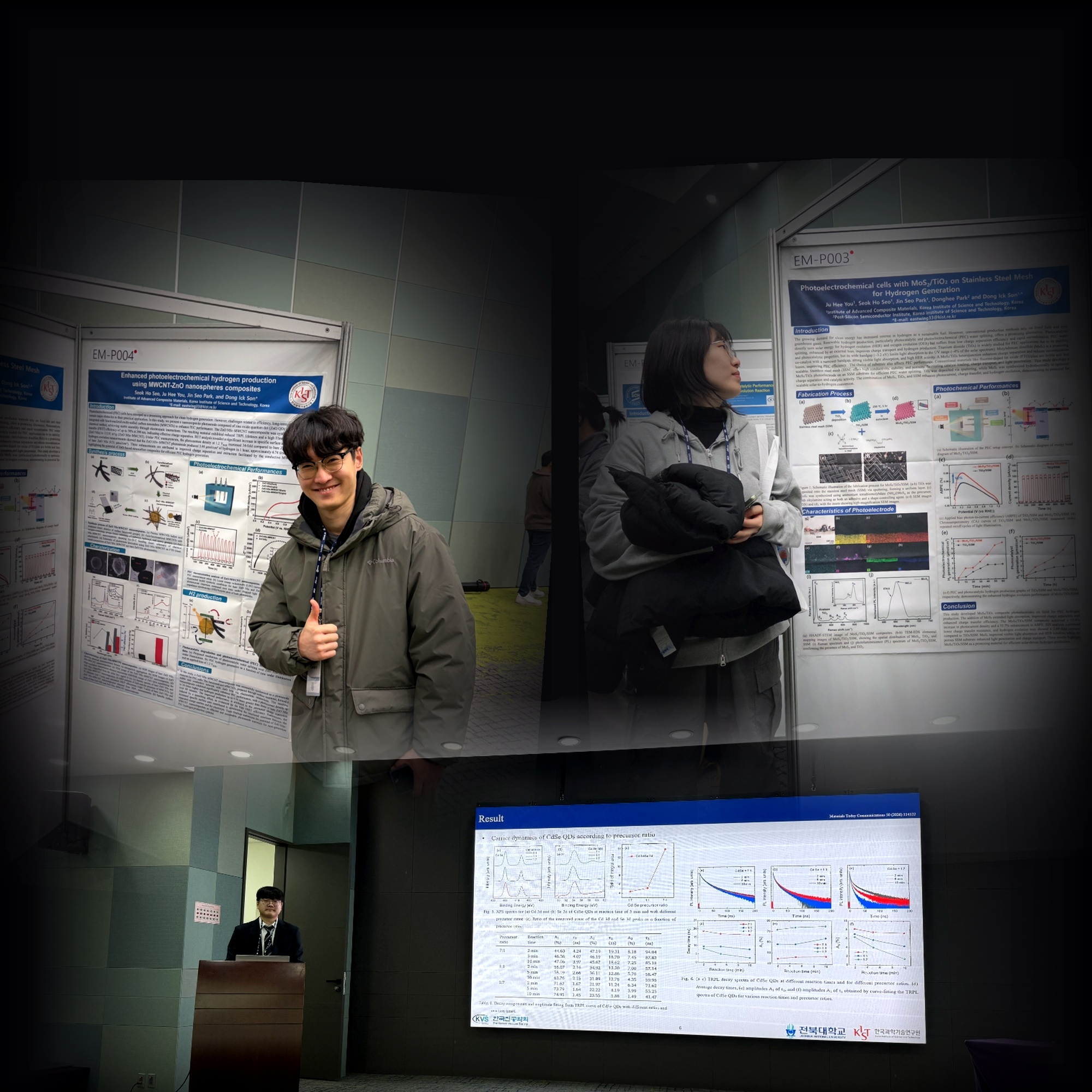
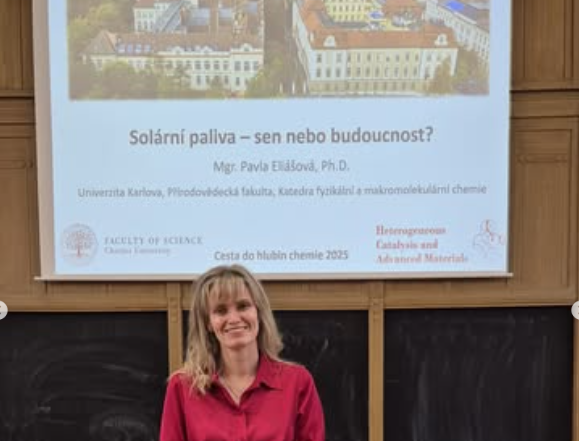
As part of the HYDRAGON project, we believe that advancing clean energy goes hand in hand with education and curiosity. Our team member Pavla Eliášová from the Faculty of Science, Charles University recently visited Elementary School S-MYSL in Kroměříž, Czech Republic. She talked with students about solar fuels — what they are, how they're made, why they could shape our energy future, and what a catalyst actually is. Engaging with young minds reminds us that innovation starts with imagination. Learn more about our project: HYDRAGON on LinkedIn.
Read More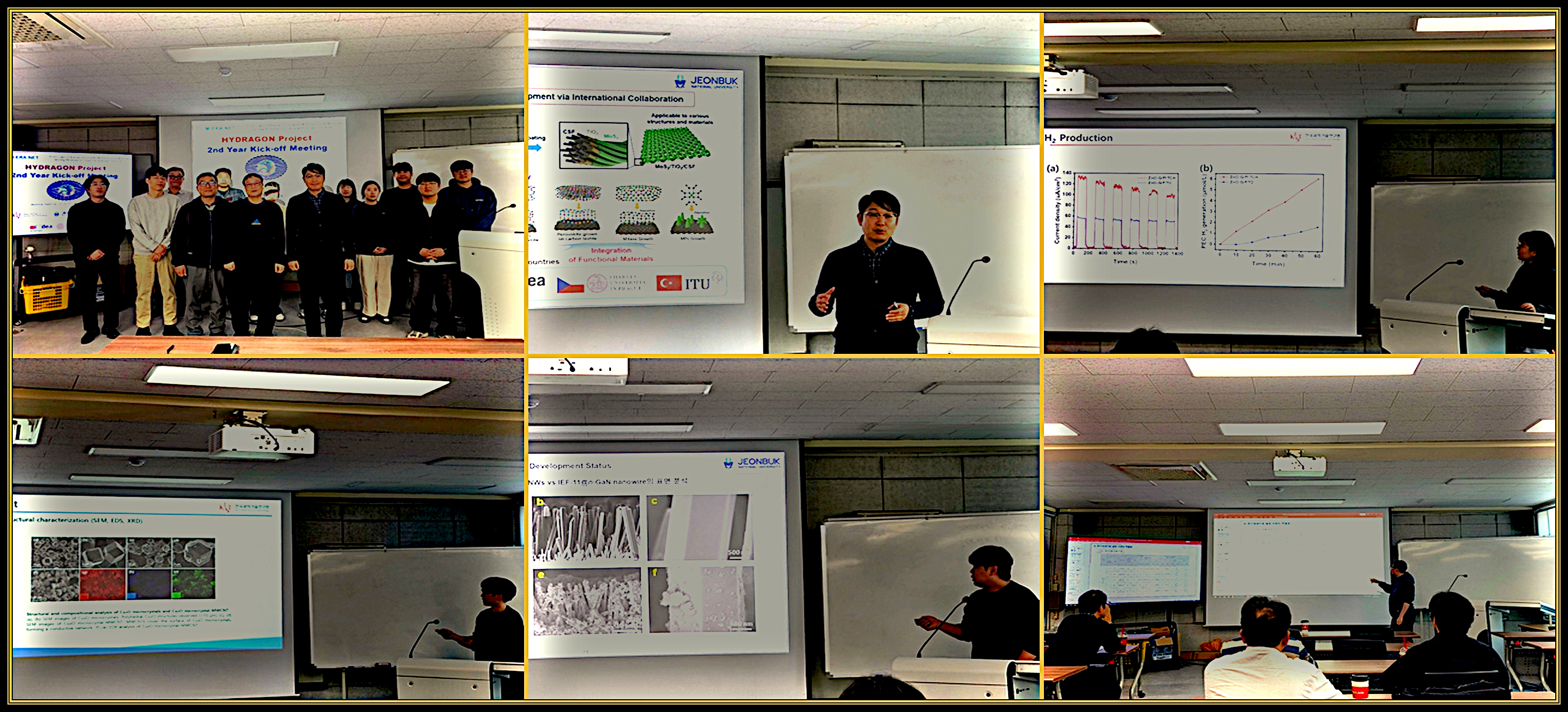
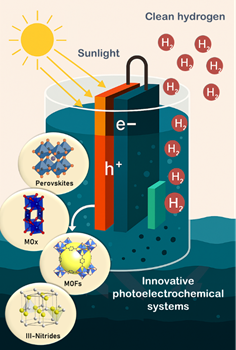
As the world works to reduce pollution and move away from fossil fuels, finding better alternatives to generate and store energy is more urgent than ever. Unlike conventional hydrogen, green hydrogen is produced using only renewable sources, such as sunlight, and produces zero emissions during its production.
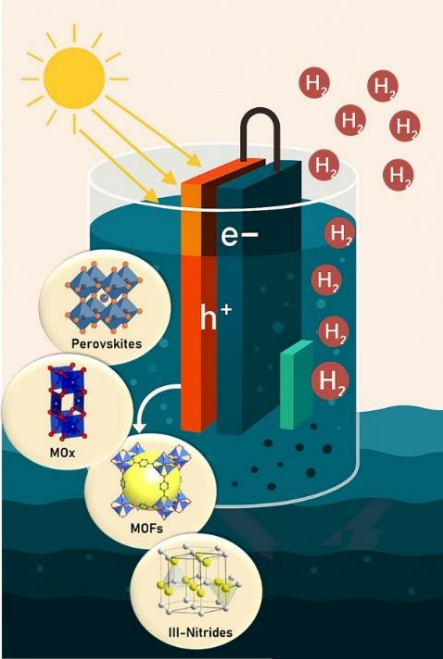
This three-year project, named HYDRAGON (From Light to Energy: Synergetic Multifunctional Materials Driving Photoelectrochemical Hydrogen Generation), is funded by the European M-ERA.NET 2024 program, which promotes global collaboration in science and technology. It focuses on photoelectrochemical (PEC) technologies that use sunlight to split water – drawn from natural sources like rivers or the sea – directly into hydrogen.
To make this possible, the researchers will develop advanced materials such as metal-organic frameworks (MOFs), lead-free perovskites, and metal oxides and carbides, all based on abundant and inexpensive metals. These materials will be combined with flexible carbon-based supports to create next-generation devices that will be more efficient, durable, and environmentally friendly.
Since its launch, the HYDRAGON project has already delivered encouraging results. During its first phase, researchers have developed five promising semiconductor materials designed to enhance hydrogen production directly from sunlight and water, addressing key challenges related to efficiency and stability in green hydrogen technologies.
The strength of the collaboration is also reflected in its scientific output, with three peer-reviewed articles published to date:
These achievements highlight the value of international cooperation between European and Asian partners and mark an important step toward scalable, sustainable hydrogen technologies that can support the global transition to clean energy.
For updates on the project, follow us:



We are thrilled to announce the official launch of the HYDRAGON project! HYDRAGON ("From Light to Energy: Synergetic Multifunctional ...)
We're excited to share that HYDRAGON project teams have begun working together, uniting expertise and passion for solar energy and green hydrogen. In July, all partners will gather for our official kick-off meeting.
HYDRAGON Consortium partners held the official kick-off meeting, launching scientific collaborations between teams in Spain, Turkey, Czech Republic, and South Korea.
HYDRAGON is officially present on LinkedIn. Follow us for ongoing project updates!